
Volunteers Needed For Maha Shivaratri Preperations, Call Vijay:(614) 209-0135 / info@iacrfaz.org

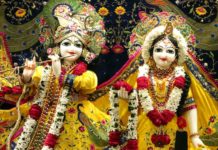
Sri Krishna Janmashtami
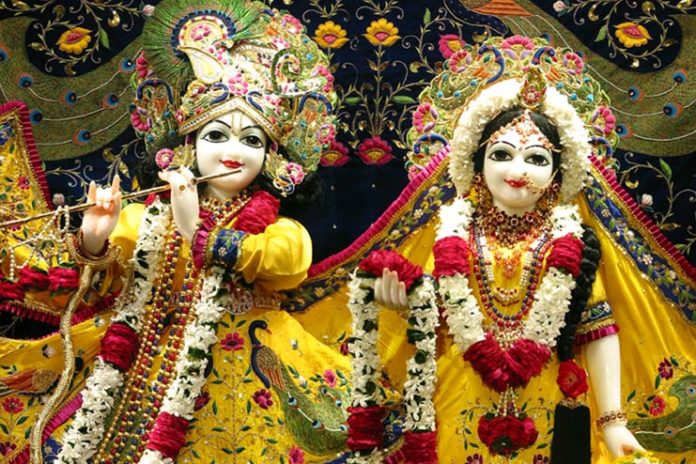
Janmashtami is also known as gokulashtami, which celebrates the birth of Lord Krishna annually. Lord Krishna is the eighth avatar f Lord Vishnu, and it is observed on the 8th day or krishna paksha or dark fortnight in Shraavana month of lunisolar calendar. Celebrations include dance drama enactments, ras-lila, devotional chantings and festivities from mid night when Lord Krishna is born . People fast all day and when the night ends, new day brings in victory for virtue over evil
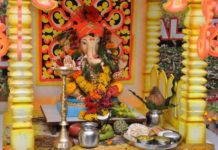
Ganesh Chaturthi
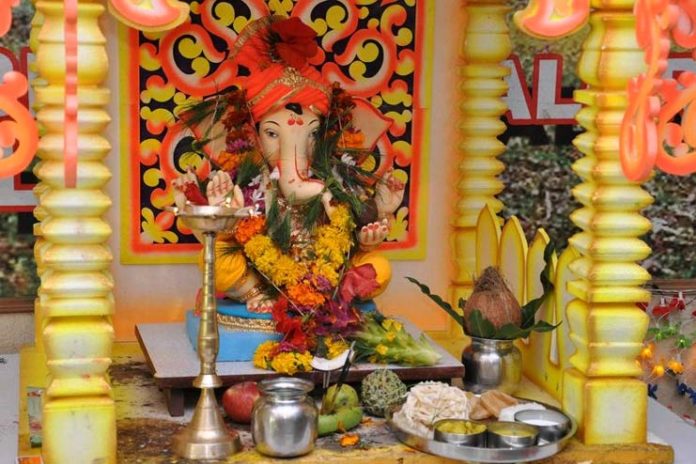
Ganesh Chaturthi is also known as Vinayaka Chaturthi, which revers Lord Ganesha. It is a 10 day festival and begins on the 4th day of the month of Bhadrapada of Lunisolar calendar. This day is the birthday of Lord Ganesha, and is celebrated with the installation of a clay idol of the lord at home and also at pandals all across. Hymns, prayers and offerings in addition to fasts are observed. At the tenth day a procession carrying the idol along with dances, prayers, chanting and festivity takes the idol to be immersed in water. The clay dissolves with the visarjan and it is belied to be the return of Lord Ganesha back to Mount Kailash to Lord Shiva and Parvati. Offering prayers to Lord Ganesha, the beginner of new things, and the remover of all obstacles in life, along with Ganesha Aarthi at home marks for the celebration of this Hindu Indian Festival.
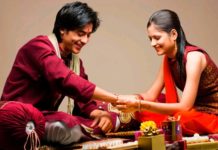
Raksha Bandhan
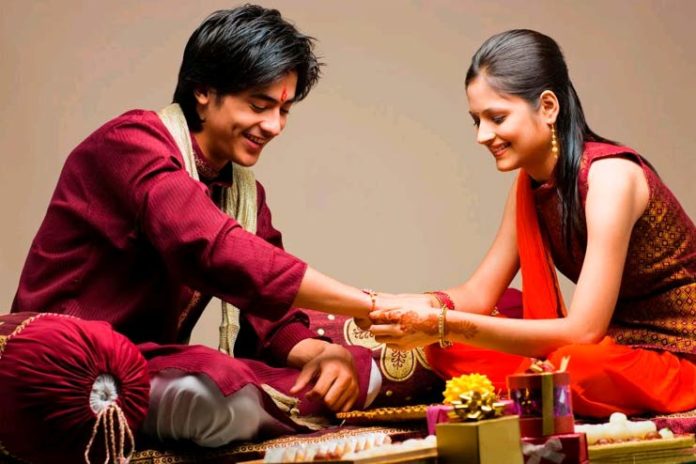
Rakhi or raksha bandhan is celebrated among most Hindu Indians which symbolizes the strong bond of a brother and sister. The full moon day in the month of Shravana according to lunisolar Hindu calendar marks the celebration of Rakhi every years. It also signifies a magical protection of all sisters and the importance dates back to mythological era. When Laxmi tied a thread around Vishnu, in his dwarf incarnation, planned to slay the anti god bali. Also Sita tied Rakhi around Laxmana after her rescue, for the brotherly protection. Sisters tie a talisman or Rakhi on their brothers wrist and in return brothers give gifts, the rakhi is to protect their brothers against all evil.
Makar Sankranti
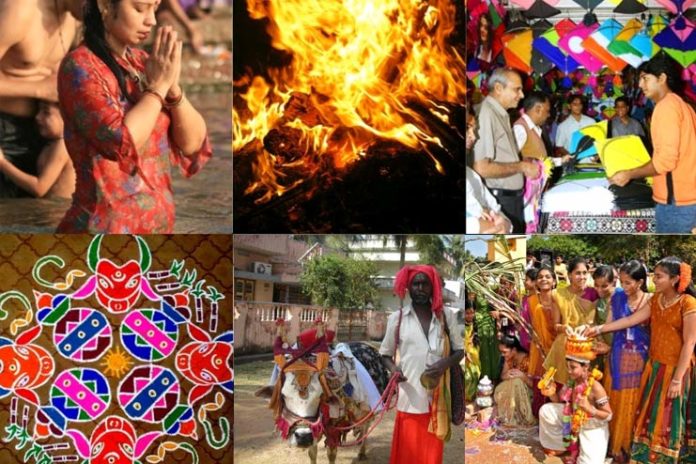
Makar Sankranti is observed as a reverence to the Lord Surya, the god of sun. It marks the first day of sun’s transit into the Makara or capricorn from Dhanu Rashi. It marks an end to the month with winter solstice and begins a new journey to longer days. This is one of the few Hindu festival set on solar cycle as it falls every year on same date Jan 14th. Many festivals are celebrated along with Makar Sankranti with different names all across India, like Lohri in Punjab and Haryana, Pongal in tamil Nadu, Maghi in Himachal, Uttarayana in Gujarat, Bihu in Assam. This day is celebrated as rising towards the sun, with new enlightenment. It is a four day celebration and it also marks the day when Lord Shiva married Parvati. It begins the Tamil New year, and also inaugurates rice harvest. The massive kumbh mela is Prayag happens on this day. Dances, kite flying, bon fire, feasts, singing and asking for treats mark the celebration for this festival.
Durga Puja
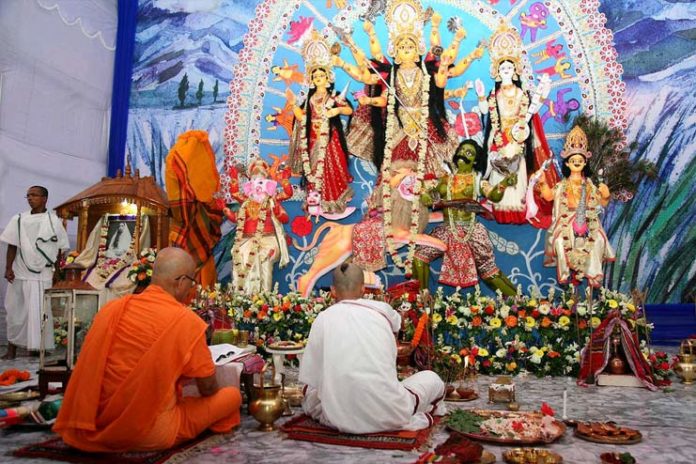
Durga Puja is an annual Hindu festival observed in the month of Ashvin and around 2 days prior to Dussehra. Durga puja marks the battle or Maa Durga with the shape shifting and deceptive buffalo demon Mahishasura. This festival epitomized the victory of good over evil. It is the most prominent festival of West Bengal, and is celebrated by Hindu Indians all across. It also is the celebration of harvest, also revering Maa Durga as the mother of all life and creation. There also is another mythological significance and belief that on this day, Lord Rama’s invocation Goddess Durga happened, just before going on war with demon Ravana. Pandals are set up all across and 10 armed idols of the deity Maa Durga are set up, along with people offering prayers and feasting with families.
Dusshera
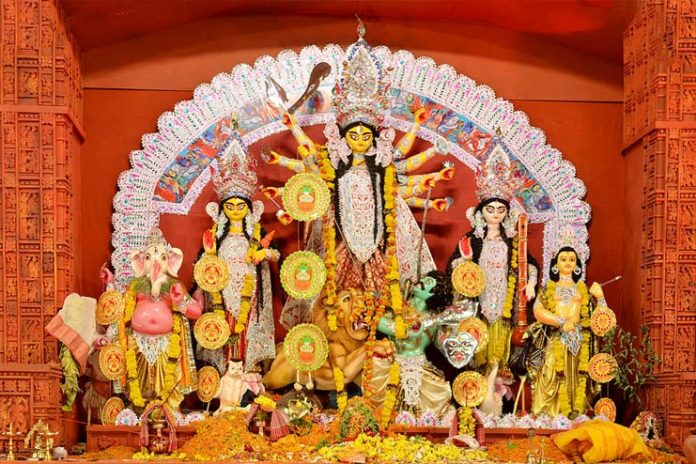
Dusshera or Dasara is also referred as Vijayadashmi and is one of the most famous festival of Hindu Indians. It is celebrated on the tenth day of Hindu calendar day of the month of Ashvin. It usually falls in the Gregorian month of September or October. In most states, Vijaydashmi marks the end of Durga Puja, to offer respect to the deity Maa Durga. This day has a historical significance, as the belief states on this day Maa Durga won over the demon buffalo called Mahishasura and helped in restoration of Dharma. It also marks the end of Ramlila and remembers the victory of Lord Rama’s victory over Demonic Ravana. It is celebrated with processions carrying statues of Lord Durga, Laxmi, Saraswati, Ganesha and Kartikeya with music and chants. And the idols later being immersed in water. Some states also have the effigies of Ravana and Kumbhakarana being burnt, marking the destruction of evil.